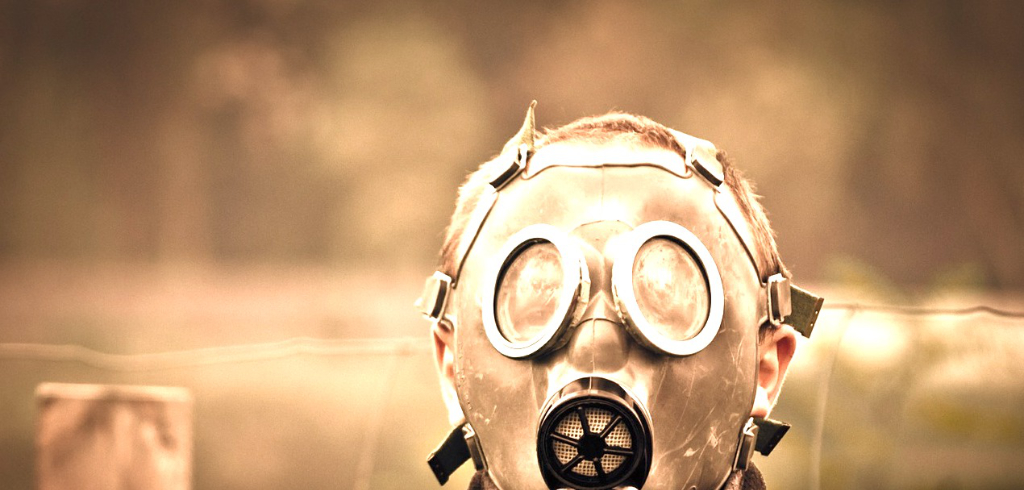
At long last I feel able to start a page attempting to address what all the other pages have merely been hinting at, ie how to survive when what is laughingly called our civilisation goes bottom up. No, I have not gone totally mad, nor am I an extremist, just being realistic.
Actually, we’ve been thinking about this for a very long time (since the first pesticides scare in the late 1980s). Planning how we would cope. Acquiring the necessary skills and capital, and searching for the right place. Just as we got it all right with El Pocito, BREXIT came along and now we have to start over again in Shetland.
If you are hoping to be a survivor when the collapse occurs, it pays to start preparing now. There’s a lot to learn, but hopefully you’ll find that a lot easier than we did. What follows is a checklist, covering all the stuff that doesn’t fit on the other pages. It’s by no means exhaustive or authoritative, but I will be trying to contact others who are further on down this path to add their experiences, so keep checking-in for updates.
What is actually going to happen, when society collapses? And when? To be honest I have no idea. There are so many possibilities, with more being added all the time. 21 years ago it was a lot easier. Nature was going to take her bat home and using a combination of melting icecaps and unusually strong tides, flood most of the world’s major cities overnight. Destroying in one stroke the core of what makes us behave in such an unsustainable way, money. This scenario is still my favourite, right now the icecap at the North Pole is the lowest ever and any day now could release enough methane to kill us all off, but the nuclear accident at Fukushima, where 400 tons a day of highly radioactive material is still being dumped at sea, and will probably continue for the next 40 years, is the one which will cause the most long-term damage. Radioactivity isn’t quick or selective. It mixes with water, and the ocean currents do the rest. Remaining lethal for a minimum of 500 years. Plenty of time to contaminate the entire food chain (don’t eat any more fish, other kinds of seafood/ salt/ or seaweed), including beaches (up to 1 km inland), and everywhere else via rainfall.
Or we could just wipe ourselves out from starvation. The current exponential rise in population (the global population has quadrupled in the last 100 years), plus the insatiable appetite we have developed for spending money, could starve whole continents any day. It just takes one bad harvest.
What is certain is life is never going to be as good or the same again.
Preparing for this has been painful. No-one wants to think that very soon everything we enjoy and take for granted will suddenly no longer exist anymore, not even chocolate or coffee (I’ve checked, neither can grow in Europe). Look around your home right now, there’s probably nothing in it you will be able to buy again. Thanks to our dependency on cheap imports. There won’t be anyone skilled enough to make it locally either. To survive will therefore depend on two things: being able to do everything for ourselves and staying healthy in a very hostile environment. It sounds like an impossible task, but hopefully with appropriate preparation, you will fare better than everyone else, so let’s get started:
First off, location is everything. Ronald Wright’s A SCIENTIFIC ROMANCE describes this a lot better than me (it’s fiction, but that’s because he’d already written a scientific paper and was totally ignored). Very briefly, when the shit hits the fan, life as we know it is going to turn very nasty indeed, particularly for anyone crazy enough to be living in or near any kind of urban area. Suddenly deprived of food/ water/ electricity/ fuel/ and any means of communication, the chances of surviving are almost zero. Whereas out in the countryside, as far away from other people as possible, the odds get a lot better. And to live there you would already be to some extent self-sufficient. Any neighbours are also already used to helping each other out, and all the natural resources exist in abundance. The only problem there will be from looting by outsiders and the natural tendency for a local bully to seek being the self-styled leader (read William Golding’s LORD OF THE FLIES).
Read also Emily St John Mandel‘s STATION ELEVEN. It is also fiction, but you won’t find a better description of a post-apocalypse world.
Whether you survive therefore, depends (apart from being in the right place at the right time) on preparedness. Not only being fully-equipped but having put in the requisite amount of time and effort learning the necessary skills, and having come to terms with entirely new way of life. In addition to the other pages on this site here are some further thoughts I’ve had, based on our experience.
Starting, in no particular order, with:
FOOD
Eventually (as with all these topics) you’re going to have to accept that what you like to eat now, as well as how you buy it, store it, along with the method of cooking, is all going to have to change. Stockpiling (both food and fuel, more on this in a moment) may postpone this for as long as a year, but even this will run out sooner or later (including chocolate and coffee!). Far easier and cheaper, as well as a lot healthier, would be to start switching diet now. To foraged, fresh and raw. Or that’s the theory. Doing it for real is going to take a lot of preparation and hard work. For which there is very little information out there about. So all I can suggest is do the same as us, plant an edible/ forest garden. With as many fruit and nut trees as possible (surplus harvest can always be dried/ stored), bearing in mind that many species will takes several years to reach maturity, and underneath that as many edible shrubs/ perennials/ and self-seeding annuals as possible (see my downloadable list of edible plants on the Wyldewood (forest garden) page). For this you will need a lot of land. I reckon the minimum to feed two people all-year-round could be as much as 10 hectares (depending on location). It also needs to be securely fenced from predators. As well as landscaped to make the best use of rainfall if you are in a dry hot area. Plus plenty of mixed habitats. I would also suggest the plants should be raised from (local) seed, which requires nursing them until their roots reach down to the water-table, several years possibly.
If this sounds far too much of an undertaking/ investment for something that may never happen, and perhaps instead a smaller more intensive system would be better, think again. It just doesn’t work, this kind of growing requires a much higher level of fertility. Without massive inputs nothing grows. You could add animals to the mix, but remember they will also need food, probably even more than you. Using your own humanure makes little difference either. Conventional food also requires sowing and planting out fresh each year, watering, and at the mercy of the weather. Far better to stick with the long haul. It’s hard work for sure, but ultimately you are creating something that will not only provide the solution to all your food/ fuel/ medicine/ and building materials needs, but is natural, self-sustaining (so less work eventually), and on a scale big enough to keep everyone happy.
Milling. As well as growing the more well-known types of food plants, we have been researching the less known ones, which can be used to replace staples like flour. Sweet chestnuts and acorns for example. Both are very easy to grow, crop profusely, and store well. If you’ve tried this already (or know of any other plants with similar values), have any idea where we can get a hand-operated mill (or 12 volt), please get in touch so we can add the information.
Cooking. This shouldn’t be necessary with a raw food diet, but as you should already have a wood stove running at least six months a year, why not take advantage. Sadly, solar ovens (for the summer) don’t seem to work in this part of the world. But if you stockpiled enough propane/ butane and were frugal, that could last you a very long time (a 13.5 kg bottle at least an entire summer).
Bulk buying (stockpiling). This may not have much point for the long-term but doing it right now is a very smart move. Switching to purchasing a whole year’s worth of food in one order will allow you to buy at wholesale prices which are as much as a third cheaper, including delivery. You will need though enough space to store all this stuff, and make sure it is always cool/ dry/ and free of bugs. Check sell-by-dates too, before ordering. Do not be put off by large quantities. For example, baking enough bread for two people can easily get through a 25 kg bag of flour in three months.
Honey. If you can find a real beekeeper to source it from (FYI shop-bought is not real honey, just a fabrication from sugar), this has a very long shelf-life indeed, years. A natural sweetener, contains essential nutrients, helps build up your immune system, and good for first aid too. Though getting your own beehives (four for two people) would be a far better long-term investment.
*
HEALTH
What do you do when there are no longer any hospitals/ doctors/ opticians/ or dentists? This is something we’ve been thinking about for a while. I’ve been lucky, not needing a GP for since I was a child, and only minor dental work over the years. We had thought we could teach ourselves the basics, using books on the various alternative medicines, but there’s a reason why it takes so long to qualify as a practitioner, you need to understand the basics, especially how to diagnose.
The best we can hope for is to work at staying healthy. For example, whenever feeling ill or unwell, to stop eating (apart from fruit) for a while, drink plenty of water, and rest. This gives the body a chance to cure itself. Then, if this doesn’t work, move to the next stage, fasting with urine therapy (see more about this on the how to become healthier page).
Homeopathy has a similar potential for some ailments, but really needs a practitioner, plus an endless supply of all the many different remedies, though they do have a very long shelf-life, so is restricted to minor ailments – bites/ stings/ painkilling/ even to prevent appendicitis.
Herbalism is of course is a well-known cure-all (we are trying to plant as many here as possible), though this requires a similar skill to diagnose and prescribe correctly. You also need a lot more of the plant than you would think, far more than could be harvested from an average garden. Though for use as a first aid it’s perfect, comfrey/ marigold/ and st johns wort being unequalled for most bites/ cuts/ stings. Grow them where they can be in leaf all-year-round.
Eyes. If you wear prescription lenses, get at least two spare pairs. Buy lots of goggles, for when you are working with stuff that might injure your eyes. In case of injury or infection, apply honey neat and regularly. Stings like hell but really does work.
Radiation. Keep a stock Siberian ginseng, this will help the immune system fight any damage.
Teeth. Toothpaste is a waste of money. Doesn’t do anything positive and probably causes many other health problems. Avoid sugar and brush regularly, stock up on toothbrushes.
Traumeel & Omnimatrix. Both are homeopathic creams that are really good for all first-aid emergencies, especially healing infected wounds. Expensive, but with a long shelf-life.
*
FIREARMS
Everyone should own and learn how to use a rifle (.242 is the recommended bore), along with a scope & silencer, plus enough ammunition to last several years. Start stockpiling the latter now. Not only to hunt for food, but keep predators at bay. Anyone who can offer specific information on brands and models please get in touch.
*
HOUSE
Utilities. Chances are there never will be a mains supply of electric/ gas/ or water again. The alternatives therefore are:
Electricity. You can generate your own using natural sources of energy (solar/ wind/ water). A good small system properly looked after could last 10-25 years. Lithium batteries do not require any maintenance, lead acid will need a supply of distilled water to keep them topped up.
Gas. Butane & propane, used sparingly, can last a long time, though the rubber piping needs to be regularly replaced every five years, and the valves don’t seem to last any longer either. Stockpile both.
Water. Without water the longest you could live is ten days. You therefore need a totally reliable source, plus sufficient storage. A spring is the best option, though it needs to be potable. Otherwise drill a borehole to at least twice the depth of the water-table. Pumping can be done with solar panels and a submersible pump (no battery required). Electric pumps have parts with a finite life (as little as 2000 hours), so you’ll need plenty of spares, and solar panels can easily be destroyed by wind/ fire/ lightning/ or theft. Another option is a high-lift hand pump, as used in third world countries. Virtually indestructible, and so heavy no-one is going to walk away with it but limited by the small amount it can draw at a time. One person could just about manage to pump 25 litres before collapsing. Also needs some parts renewing, but much cheaper and easier. Click here for a download of a manufacturer in the UK. Or you could just do it the old-fashioned way, using a pulley/ rope/ and a bucket (or stainless-steel bailer for small bore wells).
Keeping warm. This is essential, as is designing your home so it is well insulated, along with buying the most efficient wood stove. However, cutting enough wood to last a winter is very labour intensive. At El Pocito we got through a minimum of 12 m3 a year. Cut wood during the winter and allow at least six months for the wood to dry out before using, otherwise the oils will tar up the chimney and eventually catch fire. Heat output is dependent on weight. Hardwoods (like oak), which are the heaviest, burn the slowest, so require the minimum storage space. But the heat they give out is relatively cool, making it difficult to raise the room temperature quickly. It is also the hardest to cut, almost impossible with a handsaw beyond 10 cm in diameter. The ends of branches however, make perfect firelighters if left to dry in a pile for two years, or until they snap easily. Softwoods (like olive, arbutus unedo, and pine) are lighter but far easier/ quicker to cut, burn hot (though quickly so you’ll need far more). Shrubs, like cistus, when they’ve dried and become brittle, make excellent firelighters or raise the room temperature quickly. Store all cut wood somewhere dry but with plenty of ventilation. Sweep the chimney each year.
Tools. You’ll need sufficient hand tools to do everything you currently use power tools for and to work with wood/ metal/ building/ and glass. Also, the means and know-how to sharpen and repair them. As well as any replacement parts. A portable workbench is a good idea. Saw horse indispensable. Ladders with sufficient height to reach above the roof of the house.
Materials for repairs. Cement (stored in air-tight container) and sand/ roof tiles/ glass/ glue/ woodworm treatment/ paint/ metal (you can recycle aluminium cans/ timber/ nuts, bolts, screws and washers/ rivets/ box of thick latex gloves.
Replacements – Crockery/ plastic buckets/ sheets/ matches.
Soap. The bar type used for washing clothes. Lasts well and is incredibly good at getting really stained clothes and hands clean again.
Paper. Stock up with A4 and notebooks, as well as pens + ink.
Books. Both for reference and pleasure.
Music. CDs and musical instruments.
Short wave radio with SSB capability to pick up ham broadcasts. Either wind-up, or a solar charging system to top up the batteries. To find out more on SW and the range of radios/ transmitters, download this article for newcomers, from the brilliantly down-to-earth site on the subject, swling.com.
Lighting. We spent 9 years reliant on just candles (supplemented by two wind-up torches). They were cheap enough when bought in bulk, took up little storage space, and if used sparingly (one at a time) lasted a long time. We also made sconces for them, fitted with mirrors, which directed and intensified the light. The torches have come on a long way since then. We started out with the Trevor Bayliss FREEPLAY, which was not much better than a candle and very quickly fell to bits. Now we have several GOAL ZERO LIGHTHOUSE 250, which are rechargable (by winding & USB), and for the last ten years have been very good.
Clothes & shoes. If a lot of people die, replacing these will not be an issue, looting will provide all you need. But no harm in stocking up socks/ underwear/ & work boots. A manual sewing machine (or powered by alternative energy) is essential, plus bolts of fabric, as well as a good supply of wool & cotton to knit with.
Sewage/ grey water. This is covered on the how an off-grid house works page. But always remember, NEVER dispose of anything on your land that isn’t safe enough to drink, or eventually it will come back to contaminate you.
Washing-up liquid. I haven’t found a natural replacement for this yet, so make sure what you stock up on is totally biodegradable. We have found that most brands can be diluted by up to 1:10, which means a litre can last more than a year. Make up 500 ml of the solution at a time, in a 1 litre bottle, and when using always shake first until it becomes foam.
*
GARDEN
Apart from making sure you have enough seed/ trays/ seives/ large buckets/ and tools, including the files and whetstones to sharpen them with, the biggest consumable oddly enough is waterproof gardening gloves. I’ve tried them all and nothing lasts very long so buy at least 50 pairs, you can never have enough.
Pulley & rope. Invaluable for hauling heavy stuff around.
*
TRANSPORT
Bicycle. A good quality mountain bike is essential. Along with enough tools and replacement bits (tyres and innertubes especially) to keep it going. A trailer is also a really good idea. Click here to see our favourite.
*
OTHER STUFF
In a life-threatening emergency, if you have no access to drinking water, avoid dehydration simply by drinking ALL your own urine. This is not hazardous; in fact it will actually help if you have been injured or infected.
 How to live off-grid